Category: Car Insurance

  • Zero Depreciation Car Insurance: Meaning, Benefits, Claim Process & Complete Guide (2026)

    Zero Depreciation Car Insurance: Meaning, Benefits, Claim Process & Complete Guide (2026)

    Written by the E-Insure First Content Team | Reviewed by Sunil Goyal, Director, E-Insure First | Last updated: July 2026

    Quick Answer:

    Zero Depreciation Car Insurance (also called Nil Depreciation or Bumper-to-Bumper Cover) is an add-on to a comprehensive car insurance policy that removes depreciation deductions on many replaced parts during eligible repair claims. This usually results in a higher claim payout, but comes with a higher premium and specific exclusions.

    At a Glance

    Feature 

    Details 

    Cover Type 

    Add-on to comprehensive insurance 

    Also Called 

    Nil Dep, Bumper-to-Bumper Cover 

    Best For 

    New cars 

    Covers Depreciation 

    Yes, subject to policy terms 

    Mandatory 

    No 

    Premium 

    Higher 

    Suitable Up To 

    Depends on insurer eligibility, typically 5–7 years 

    Key Takeaways – Should You Buy?

    If… 

    Recommendation 

    New car 

    Buy Zero Dep 

    Luxury car 

    Strongly recommended 

    EV 

    Recommended 

    Car older than 7 years 

    Usually skip 

    Loan running 

    Recommended 

    Low yearly driving 

    Optional 

    If you’ve ever paid a repair bill and been shocked that your insurer covered less than you expected, depreciation is almost always the reason. Zero depreciation car insurance meaning, in plain terms, is an add-on built to fix exactly that gap. This guide covers what it actually is, how claims are calculated with real numbers, when it’s worth the extra premium, and the details most articles skip entirely — like how it interacts with Engine Protect, Return to Invoice, and EV-specific repairs. It’s also worth understanding insurance policy extensions that can strengthen your overall coverage.

    Not sure if Zero Dep makes sense for your specific car? Ask E-Insure First — we’ll help you compare quotes with and without it.

    What is Zero Depreciation Car Insurance?

    Zero depreciation meaning in car insurance comes down to this: it’s an add-on, purchased alongside a comprehensive policy, that waives the standard depreciation deduction on repaired or replaced parts during a claim. Instead of being paid for a part’s depreciated value, you’re paid closer to its full replacement cost.

    The car insurance zero depreciation meaning only applies within limits — it doesn’t remove your compulsory deductible, and it doesn’t cover mechanical failure or general wear and tear. It’s specifically about the depreciation math applied to eligible repaired parts. Since Zero Dep is an optional add-on, it’s also useful to understand how insurance renewal works before selecting additional covers.

    Why Does Depreciation Reduce Your Claim?

    Insurers don’t pay for a brand-new part at full price when your car itself has aged — that would mean paying for an upgrade, not a repair. So every standard comprehensive policy applies a depreciation percentage to replaced parts based on material type and your car’s age, before calculating your payout. Zero Dep is the add-on that specifically removes this step for eligible parts.

    How Zero Dep Workshow zero dep work

    How a Zero Dep Claim Works Repair Bill Generated → Depreciation Normally Applied? → Without Zero Dep: Deducted, Lower Claim → With Zero Dep: Waived, Higher Claim

    Regular Insurance vs. Zero Dep

    Feature 

    Regular Comprehensive 

    Zero Dep Add-on 

    Depreciation on parts 

    Deducted 

    Waived (eligible parts) 

    Premium 

    Lower 

    Higher 

    Claim payout 

    Lower 

    Higher 

    Best for 

    Older, budget-conscious ownership 

    New or high-value cars 

    Claim Calculation Examples

    Before looking at how Zero Dep affects your payout, it helps to see a real-world example. The comparison below shows how the same repair bill can result in a very different claim amount depending on whether your policy includes Zero Depreciation cover.

    Real Claim Example:

    ₹50,000 repair bill

    Without Zero Dep: ₹12,000 depreciation deducted → Insurer pays ₹38,000

    With Zero Dep: No depreciation deduction → Insurer pays ₹50,000 (minus compulsory deductible)

    Claim Payout: With vs. Without Zero Dep Without Zero Dep ₹38,000 With Zero Dep ₹50,000

    Actual Repair Bill Comparison (Multiple Parts)

    Repair 

    Without Zero Dep 

    With Zero Dep 

    Bumper 

    ₹8,500 

    ₹12,000 

    Fender 

    ₹5,600 

    ₹7,800 

    Mirror 

    ₹2,900 

    ₹4,100 

    Total 

    ₹17,000 

    ₹23,900 

    Illustrative figures. Real repair bills vary by car model, part sourcing (OEM vs. aftermarket), and labour rates in your city. Claim settlement also depends on your overall policy coverage and vehicle details. If you’re reviewing your policy before renewal, make sure you also check your car insurance validity online to avoid coverage gaps.

    What Does Zero Dep Cover?

    Zero Depreciation cover mainly applies to specific vehicle parts that normally lose value because of depreciation. However, the exact list of covered components may vary slightly between insurers, so it’s always worth checking your policy wording.

    Plastic parts – bumpers, panels, trims

    Rubber parts – seals, mouldings, weather strips

    Fibre/fibreglass parts – certain body panels

    Metal parts – subject to your specific policy terms

    Glass components – glass carries nil depreciation even without Zero Dep, so this add-on mainly reinforces existing treatment here.

    Although Zero Dep reduces depreciation on eligible parts, it doesn’t replace every type of protection available under a motor insurance policy. For example, battery replacement cover can provide additional protection for expensive battery repairs that may fall outside standard policy coverage.

    What isn’t Covered?

    While Zero Dep reduces depreciation deductions on eligible parts, it does not eliminate standard policy exclusions. Understanding what isn’t covered can help you avoid unexpected claim rejections.

    • Engine damage from mechanical failure (unless caused by a covered accident)
    • Tyres, in most policies (sometimes covered under a separate consumables add-on)
    • General mechanical failure unrelated to an accident
    • Ordinary wear and tear
    • Consumables like nuts, bolts, and lubricants, unless separately added
    • Damage while driving without a valid licence
    • Damage while driving under the influence
    • Standard policy exclusions that apply regardless of add-ons

    How Claim Settlement Works?

    how claim settlement works

    A Zero Dep claim follows almost the same process as a regular comprehensive insurance claim. The key difference is that depreciation on eligible parts is waived, resulting in a higher settlement amount.

    How Insurers Calculate Depreciation

    The process follows a fairly consistent path across insurers, per IRDAI’s standard framework:

    • Replacement cost is assessed for each damaged part needing full replacement.
    • Repair cost is assessed separately for parts that can be fixed rather than replaced.
    • Depreciation is applied to replaced parts per the material-based schedule above.
    • Labour charges are typically paid in full, since depreciation applies to parts, not labour.
    • Deductibles — your policy’s voluntary deductible, if you’ve opted for one, reduces the payout further.
    • Compulsory deductible — a fixed IRDAI-mandated amount (₹1,000 for engines up to 1,500cc, ₹2,000 above that) applies regardless of Zero Dep.

    Depreciation rules used by insurers broadly follow regulatory guidelines issued for motor insurance policies. For official regulations and updates, policyholders can refer to the IRDAI guidelines.

    How Zero Dep Premium Is Estimated?

    how zero dep premium is estimated

    The cost of adding Zero Dep cover depends on several factors, including your car’s age, model, location, and insurer. Although the premium is slightly higher, many owners find the additional protection worthwhile.

    Is Zero Dep Expensive? Premium Difference Table

    Cover 

    Approx. Premium (Illustrative) 

    Comprehensive only 

    ₹9,500 

    Comprehensive + Zero Dep 

    ₹11,300 

    Approximate extra cost 

    ≈10–20% more 

    These figures are illustrative only. Actual premiums vary by insurer, vehicle model, city, IDV, and other rating factors — always get a direct quote for your specific car rather than relying on this example.

    Zero Dep + Other Add-ons: What Works Together

    Add-on 

    Works with Zero Dep? 

    Why Buy Together? 

    Engine Protect 

    Yes 

    Covers flood/water-ingress engine damage that Zero Dep doesn’t touch 

    Consumables Cover 

    Yes 

    Covers nuts, bolts, oil, and AC gas — items Zero Dep excludes 

    Return to Invoice 

    Yes 

    Covers the total-loss gap that Zero Dep, a repair-focused cover, doesn’t address 

    Key Replacement 

    Yes 

    Convenience cover for lost or damaged keys 

    Roadside Assistance 

    Yes 

    Helps with breakdowns unrelated to accident repair claims 

    Tyre Cover 

    Optional 

    Useful in pothole-heavy regions, since tyres usually sit outside Zero Dep 

    None of these add-ons overlap with Zero Dep’s core function — they each cover a different gap, which is exactly why combining a few of them (rather than maxing out one single add-on) tends to give the most complete protection for the premium spent.

    Cost vs. Benefit

    Paying extra for Zero Dep only makes sense if the potential claim savings outweigh the additional premium. Comparing the cost against likely repair expenses makes the decision much easier.

    Premium vs. Repair Savings Premium Repair Savings (Low → High) Standard Zero Dep

    The gap between the two bars widens the more often you actually file claims involving plastic, rubber, or fibre parts — for high-mileage or high-traffic driving, that gap closes fast.

    Zero Dep Compared to Other Covers

    Zero Dep vs. Comprehensive Insurance


    Comprehensive Only 

    Comprehensive + Zero Dep 

    Coverage 

    Own damage + third-party 

    Same, plus depreciation waiver 

    Claim amount 

    Lower, after depreciation 

    Higher, closer to actual repair cost 

    Premium 

    Lower 

    Higher 

    Depreciation applied 

    Yes 

    No, on eligible parts 

    Who should buy 

    Older cars, budget-focused owners 

    New or high-value cars 

    Zero Dep vs. Return to Invoice


    Zero Dep 

    Return to Invoice 

    Total loss claims 

    Settled on IDV basis 

    Settled on original invoice value 

    Repair claims 

    Depreciation waived on eligible parts 

    Doesn’t apply to repair claims 

    Depreciation 

    Waived on repairs only 

    Not applicable — covers the IDV-to-invoice gap on total loss 

    Relevant value 

    IDV 

    Original invoice value (incl. RTO, tax) 

    Premium 

    Moderate increase 

    Typically higher, newer-car only 

    Zero Dep vs. Consumables Cover


    Zero Dep 

    Consumables Cover 

    Covers 

    Depreciation on parts like plastic, rubber, fibre 

    Items like nuts, bolts, lubricants, AC gas 

    Overlap 

    None — the two are complementary, not competing 

    None 

    Recommended together? 

    Yes, often bundled for maximum protection 

    Yes 

    Zero Dep vs. Engine Protect


    Zero Dep 

    Engine Protect 

    Covers 

    Depreciation on body/interior parts during repair 

    Engine damage from water ingress or oil leakage, typically excluded otherwise 

    Best combined for 

    Flood-prone regions, where both engine and body damage risk exist 

    Same 

    Zero Dep vs. IDV


    Zero Dep 

    IDV 

    Applies to 

    Repair claims 

    Total loss and theft claims 

    Relationship 

    Doesn’t change IDV 

    Doesn’t change how Zero Dep pays out 

    Common myth 

    “Zero Dep increases IDV” — false, they’re independent 

    — 

    Where Zero Dep Sits in the Protection Stack

    Image : Relative Protection Level Return to Invoice (highest) Zero Dep Engine Protect Consumables Cover Standard Comprehensive (base)

    This is a rough conceptual ranking of scope, not a recommendation to buy every add-on — each one covers a different gap, as the table above shows.

    Is Zero Dep Worth Buying?

    Whether Zero Dep is worth buying depends on factors such as your car’s age, value, usage, and repair costs. The guide below can help you quickly decide if this add-on suits your situation.

    is zero dep worth buying

    Who Should NOT Buy Zero Dep?

    Although Zero Dep is highly recommended for many car owners, there are situations where paying the extra premium may not provide enough value. Here are some cases where you can consider skipping it.

    Not recommended for:

    • Cars past your insurer’s specific eligibility cutoff (typically 5–7 years)
    • Low-value vehicles, where premium savings outweigh the added repair-cost protection
    • Owners planning to sell the car soon
    • Rarely driven vehicles with genuinely low accident exposure
    • Owners comfortable covering small repair costs out of pocket without financial strain

    Claim Eligibility Table

    Not every type of damage is covered under Zero Dep. The table below provides a quick overview of common situations and whether the add-on typically applies.

    Situation 

    Covered? 

    Accident 

    Yes 

    Flood 

    Partial — depends on cause and specific policy terms 

    Fire 

    Yes 

    Theft 

    No  (IDV applies instead, not Zero Dep) 

    Mechanical failure 

    No  

    Wear & tear 

    No  

    Expert Buying Recommendations

    While every driver’s needs are different, some vehicles benefit far more from Zero Dep cover than others. The recommendations below provide a general buying guide based on vehicle type and ownership costs.

    Car 

    General Recommendation 

    Maruti Swift 

    Yes, if new 

    Hyundai Creta 

    Yes 

    Tata Nexon EV 

    Strongly recommended 

    BMW X1 

    Definitely 

    10-year-old Alto 

    Usually no 

    These are general illustrative examples based on the age, value, and category factors covered throughout this guide — not a substitute for checking your specific car’s actual eligibility and getting a real quote.

    Zero Dep During Renewal

    Renewing your policy is the perfect time to review whether Zero Dep still makes financial sense. Before renewing, use the checklist below to compare your options and avoid paying for unnecessary coverage.

    Renewal Checklist:

    • Review your IDV alongside your Zero Dep renewal
    • Compare premium across insurers, not just your current one
    • Check claim limits — some insurers cap the number of Zero Dep claims per year
    • Read exclusions again, since policy wording can change between renewal cycles

    Common Claim Mistakes

    Even with Zero Dep, claims can be delayed or partially rejected if policyholders make avoidable mistakes. Keeping these points in mind can help ensure a smoother claim experience.

    • Thinking Zero Dep means everything is covered
    • Ignoring the compulsory deductible, which still applies regardless
    • Not reading policy exclusions before assuming a claim will be paid in full
    • Not declaring accessories, leaving them effectively uninsured
    • Skipping cashless network garages and paying more out of pocket unnecessarily

    Expert Tips

    The following tips are based on common industry practices and real claim scenarios. They can help you choose the right add-ons and get better value from your motor insurance policy.

    • Choose Zero Dep for cars under five years old as a general rule of thumb.
    • Compare insurer claim conditions and limits, not just the premium quoted.
    • Read claim limits carefully before buying — “unlimited claims” isn’t universal.
    • Combine Zero Dep with Engine Protect if you live in a flood-prone area.
    • Review all add-ons at every renewal rather than auto-renewing the same combination each year.

    Real-Life Claim Stories

    Real-world examples make it easier to understand how Zero Dep works in different situations. These sample claim scenarios show where the add-on can make a significant financial difference.

    Minor Accident

    A bumper and headlight are damaged in a parking lot mishap. With Zero Dep, the full replacement cost is settled minus the compulsory deductible; without it, roughly a third of the plastic parts’ value would have been deducted.

    Flood Damage

    A car parked in a flooded area suffers interior and electrical damage. Zero Dep helps on the depreciation side of the repair, but engine damage from water ingress needs Engine Protect cover to be fully addressed — a good example of why combining add-ons matters.

    Luxury SUV Claim

    An imported SUV’s OEM bumper assembly costs significantly more than a standard model’s. Zero Dep’s depreciation waiver makes a proportionally larger difference here simply because the underlying part cost is so much higher.

    EV Bumper Replacement

    An EV’s front bumper, housing sensor components, needs replacement after a minor collision. Zero Dep covers the depreciation waiver on the physical part; sensor recalibration costs are typically billed as labour, generally covered in full regardless of Zero Dep.

    Cashless Repair

    A claim processed through a network garage settles directly between the garage and insurer, with Zero Dep reducing the customer’s out-of-pocket portion to just the compulsory deductible.

    Final Thoughts

    Understanding the zero depreciation car insurance meaning comes down to one simple idea: it’s the add-on that closes the gap between what a repair actually costs and what a standard policy would pay you for it. For new, luxury, or frequently driven cars, that gap is usually worth paying a bit more premium to close. For older, lower-value cars nearing the end of their useful life, it’s a smaller and smaller win each year — which is exactly why insurers themselves stop offering it past a certain age. Check your car’s eligibility, compare a quote with and without it, and decide based on your actual numbers rather than a blanket rule.

    Want a real quote comparison with and without Zero Dep for your car? Talk to E-Insure First — no charge for the comparison.

    Frequently Asked Questions

    What is Zero Depreciation insurance?

    It’s an add-on to comprehensive car insurance that waives depreciation deductions on eligible repaired or replaced parts, resulting in a higher claim payout.

    What is the zero depreciation car insurance meaning in simple terms?

    It means you get paid closer to full replacement cost for damaged parts during a claim, instead of a depreciated, lower amount.

    How many claims are allowed under Zero Dep?

    This varies by insurer — some allow unlimited claims, others cap the number per policy year. Always check your specific policy wording.

    Does Zero Dep cover tyres?

    Usually not as standard; tyres are often handled separately or require a specific consumables or tyre-protection add-on.

    Does Zero Dep cover engine damage?

    No. Engine damage from mechanical failure or water ingress requires a separate Engine Protection add-on.

    Does Zero Dep increase IDV?

    No. IDV and Zero Dep are calculated completely independently — adding this cover doesn’t change your declared value.

    Is Zero Dep mandatory?

    No, it’s an optional add-on, never a mandatory part of a car insurance policy.

    Can I buy Zero Dep during renewal?

    Yes, most insurers allow you to add Zero Dep at any renewal, subject to your vehicle still meeting their age eligibility criteria.

    Does Zero Dep cover batteries?

    Coverage for batteries varies by insurer and policy terms — some treat them under standard depreciation rules regardless of Zero Dep, so check your specific wording.

    Is Zero Dep available for old cars?

    Usually not past 5–7 years, depending on the insurer, after which most stop offering the add-on regardless of the car’s condition.

    Does Zero Dep cover glass?

    Glass typically already carries nil depreciation even without Zero Dep, so this add-on doesn’t change glass claim treatment much.

    Is labour covered under Zero Dep?

    Labour charges are generally paid in full regardless of Zero Dep, since depreciation applies specifically to parts, not labour.

    What is bumper-to-bumper insurance?

    It’s another common name for Zero Depreciation cover, referring to comprehensive part-level protection rather than a literal bumper-only benefit.

    Does Zero Dep reduce NCB?

    No, Zero Dep and No Claim Bonus are unrelated. NCB depends on your claim-free history, not which add-ons you’ve purchased.

    Does Zero Dep cover scratches?

    If a scratch requires part replacement or repainting covered under your policy, Zero Dep can reduce the depreciation deducted on that repair.

    Can EVs get Zero Dep?

    Yes, and it’s often specifically recommended for EVs given the higher cost of battery, sensor, and ADAS-related repairs.

    Is Zero Dep available for commercial vehicles?

    Availability varies by insurer and vehicle category — commercial vehicle add-on options are typically more limited than for private cars.

    What is the maximum vehicle age for Zero Dep?

    Most insurers cap eligibility around 5 years, with some extending to 7 years, though this varies by insurer.

    Can I remove Zero Dep later?

    Yes, you can typically choose not to renew this add-on at your next policy renewal, reverting to standard comprehensive cover.

    Which is better: Zero Dep or Invoice Cover?

    They solve different problems — Zero Dep helps with repair claims, Return to Invoice helps with total loss claims on newer cars. Many owners benefit from having both rather than choosing one over the other.

    Does Zero Dep cover paint?

    Paint work tied to a covered repair is generally included, though the depreciation waiver applies to the material cost portion rather than labour, which is typically paid in full regardless.

    Is Zero Dep available after a claim?

    You can typically add it at your next renewal even after filing a claim, subject to your insurer’s eligibility rules at that time.

    Can I add Zero Dep later, mid-policy?

    Most insurers require add-ons like Zero Dep to be selected at purchase or renewal, rather than mid-policy-term — check with your specific insurer to confirm.

    Does Zero Dep increase resale value?

    Not directly, but a car with a cleaner repair history using OEM parts (which Zero Dep supports by making full-cost repairs more affordable) can present better at resale time.

    Is Zero Dep transferable if I sell my car?

    No, add-ons don’t transfer with the car itself — a new owner would need to arrange their own policy and add-ons based on their own eligibility.

    Is bumper-to-bumper insurance the same as Zero Dep?

    Yes, bumper-to-bumper is simply another common name for the same Zero Depreciation add-on.

    Can I remove Zero Dep after one year?

    Yes, you can choose not to renew this add-on at your next renewal cycle, reverting to standard comprehensive cover going forward.

    Does Zero Dep cover flooding?

    Zero Dep addresses depreciation on repair claims broadly, but engine damage specifically from flood water ingress typically needs a separate Engine Protection add-on to be fully covered.

    Editorial Note: This article is based on publicly available regulatory guidance and insurer policy documents. Insurance terms, exclusions, and eligibility criteria may change, so always review your insurer’s current policy wording before purchasing or renewing coverage. E-Insure First is an independent insurance advisory platform led by Director Sunil Goyal, helping Indian policyholders compare, buy, and manage general insurance policies.

  • How to Renew Car Insurance After Expiry (2026 Guide)

    How to Renew Car Insurance After Expiry (2026 Guide)

    Written by the E-Insure First Content Team | Reviewed by Sunil Goyal, Director, E-Insure First | Last updated: July 2026

    Quick Answer:

    To renew car insurance after expiry, go to your insurer’s website or app, enter your registration number, and complete the renewal payment. If it’s been less than 90 days since expiry, most insurers will renew you online without much fuss and your No Claim Bonus stays intact. If it’s been longer, you’ll usually need to complete a quick vehicle inspection — often just a video walkaround uploaded through the app — before the new policy is issued, and your NCB resets to zero.

    Realising your car insurance has expired is one of those small panics that hits at the worst time — usually right as you’re about to leave for work. The honest first step is: don’t drive the car until it’s sorted, since third-party cover is legally mandatory in India. The good part is that how to renew car insurance after expiry isn’t as complicated as it sounds, and in most cases you can do the entire thing from your phone in under 15 minutes. This guide walks through exactly what changes based on how long your policy has been lapsed, and what to expect at each stage.

    Before renewing, you can also quickly check car insurance validity online to confirm your policy status and expiry details. Not sure if your policy needs an inspection or just a quick payment? Ask E-Insure First — tell us your expiry date and we’ll tell you exactly what to expect.

    What Actually Happens When Your Car Insurance Expires

    Your car isn’t covered the moment the policy lapses — there’s no automatic buffer period during which you’re still insured. What most people call a “grace period” is really just a window (commonly up to 90 days) during which your insurer will let you renew without wiping out your No Claim Bonus. During that window, you’re still driving uninsured; you just haven’t lost your discount history yet. Two things happen depending on how long you wait:

    • Within 90 days of expiry: Renewal is usually quick, your NCB is protected, and some insurers may still ask for a basic inspection depending on how many days have passed.
    • Beyond 90 days: This is treated as a full break-in period. Your accumulated NCB resets to zero, a vehicle inspection becomes mandatory, and the premium is recalculated as if you’re buying fresh cover.

    Understanding what is NCB in car insurance can help you know how this discount works during renewal.

    Step-by-Step: How to Renew Car Insurance Policy After Expiry

    Here’s the process most Indian insurers follow for how to renew car insurance policy after expiry, whether you’re a few days or a few months late:

    1. Go to your insurer’s website or app and select “Renew Policy,” entering your registration number or old policy number.
    2. Check your renewal quote. If it’s within the 90-day window, your NCB slab should show correctly. If it’s showing 0% and you know you had a claim-free record, that’s your signal the lapse has crossed 90 days.
    3. Complete the inspection if asked. For shorter lapses, many insurers skip this. For longer ones, you’ll typically be asked to upload a short video walkaround of the car — covering all four sides, the odometer, and any visible damage — through the app.
    4. Wait for inspection approval, which for digital self-inspections usually takes a few hours, not days.
    5. Pay the premium and choose your add-ons — zero depreciation, roadside assistance, engine protection, and so on.
    6. Download your new policy PDF immediately after payment; it’s valid as proof of insurance from that moment. If you ever lose your document, you can also learn how to download insurance copy by vehicle number online.

    Real-World Scenarios

    Situation 

    What Happens 

    Policy expired 2 days ago, no claims last year 

    Instant online renewal, NCB carried forward, inspection rarely required 

    Policy expired 45 days ago 

    Online renewal possible, some insurers may ask for a quick self-inspection, NCB still protected 

    Policy expired 120 days ago 

    Mandatory inspection (physical or video), NCB resets to zero, premium recalculated as a fresh policy 

    Car was in a minor accident during the lapsed period 

    Inspection will likely flag the damage; insurer may ask for repair proof or adjust terms before issuing cover 

    You want to switch insurers instead of renewing with the old one 

    Still possible — request an NCB certificate from your previous insurer and declare it with the new one 

    Grace Period vs. Break-In Period: Quick Comparison

    Factor 

    Within 90 Days (Grace Window) 

    Beyond 90 Days (Break-In Period) 

    Vehicle covered during the gap? 

    No 

    No 

    NCB status 

    Protected, carries forward 

    Reset to zero 

    Inspection required? 

    Sometimes, insurer-dependent 

    Almost always mandatory 

    Premium impact 

    Usually unchanged 

    Often higher, calculated as fresh cover 

    Can you claim during this time? 

    No — policy is inactive 

    No — policy is inactive

    Documents You’ll Likely Need

    Vehicle owners can also verify registration-related details through the official Parivahan portal managed by the Government of India.

    • Vehicle Registration Certificate (RC) copy
    • Previous policy copy or policy number, if available
    • A valid ID and address proof (for first-time renewal on a new insurer’s portal)
    • NCB certificate from your previous insurer, if you’re switching insurers
    • Inspection photos or video, if requested by the insurer

    Common Mistakes to Avoid

    • Driving the car “just once” before renewing. Third-party insurance is legally mandatory under the Motor Vehicles Act — driving with an expired policy can attract a fine, and any accident during that gap is entirely out of pocket. You can refer to the official Ministry of Road Transport and Highways portal for updates related to vehicle rules and motor regulations in India.
    • Assuming the 90-day window means you’re still covered. It only protects your NCB, not your car. There’s no insurance cover during a lapse, however short.
    • Skipping the inspection step and expecting instant approval. If your insurer’s portal is asking for photos or a video, the policy won’t be issued until that’s cleared — don’t wait until the last minute again.
    • Not checking your NCB slab before paying. If it shows 0% and you believe you had accumulated a bonus, query it before completing payment rather than after.
    • Renewing blindly with the same insurer out of habit. A lapsed renewal is also a natural point to compare a couple of quotes, since you’re already going through a fresh-pricing exercise anyway. Many users now prefer comparing online vs offline car insurance options before making a renewal decision.

    When Renewing Might Not Be the Right Call

    If your policy has lapsed for a long stretch and your car has meanwhile picked up damage, unresolved mechanical issues, or you’re planning to sell the vehicle soon, it’s worth pausing before you renew. In these cases, a fresh quote comparison across two or three insurers — rather than a same-insurer renewal — often makes more financial sense, since you’re being priced as a new policy either way.

    Weighing whether to renew with your current insurer or switch after a lapse? E-Insure First can compare both so you’re not guessing.

    Expert Tips

    • Be sure to set an alert for 15 days prior to the expiry, not on the actual expiry day to be able to work through a delay on the portal or if a last minute inspection is needed.
    • If you’re within the 90-day window, don’t delay further just because there’s technically “time left.” Every extra day increases the odds of an inspection being requested.
    • Keep your NCB certificate saved separately from your policy documents — it’s the one piece of paper that protects years of accumulated discount if you ever switch insurers.
    • If an insurer’s self-inspection video keeps getting rejected, check lighting and make sure the odometer reading is clearly visible — this is the most common reason for automated rejections.

    Final Verdict

    Renewing after expiry isn’t complicated, but timing changes everything. If you act within 90 days, you’ll likely get a fast, low-friction renewal with your NCB intact. Wait longer, and you’re looking at an inspection and a bigger bill. The honest answer to how to renew car insurance after expiry is simple: do it the moment you notice, skip driving until it’s done, and treat every day past the 90-day mark as money quietly leaving your pocket. Along with renewal timing, knowing what is insurance renewal helps you better understand policy continuation and coverage.

    Lapsed policy and want a quote comparison before you commit? Get a free comparison from E-Insure First — takes less time than the inspection itself.

    Frequently Asked Questions

    Can I renew my car insurance online if it has already expired?

    Yes, it is. The renewal is an online procedure if the policy has not expired or has been expired for not more than 90 days. If you have the vehicle inspection to get the policy issued If the policy has expired beyond 90 days, get ready for a mandatory inspection.

    How long can I wait before renewing without losing my No Claim Bonus?

    Generally up to 90 days from the expiry date. After that, your accumulated NCB resets to zero, regardless of your previous claim-free record.

    Is it illegal to drive with expired car insurance?

    Yes. Motor third-party insurance is a compulsion by law as mentioned in the Motor Vehicle Act 1988. You can be fined and the damage during this period won’t be compensated for any damage/liability incurred while you have been driving without a policy.

    Do I always need an inspection to renew after expiry?

    Not always. Short lapses of a few days often skip inspection entirely. Longer lapses, especially past 90 days, almost always require one — usually a self-inspection video through the insurer’s app.

    Can I switch insurers when renewing an expired policy?

    Yes. Get NCB certificate from your previous insurer, and then mention the certificate at the time of buying the new policy. NCB belongs to you, the policy holder, not to the car nor the insurance company.

  • Does Car Insurance Cover Battery Replacement? The Honest Answer for Indian Car Owners

    Does Car Insurance Cover Battery Replacement? The Honest Answer for Indian Car Owners

    Written by the E-Insure First Content Team | Reviewed by Sunil Goyal, Director, E-Insure First | Last updated: June 2026

    Quick Answer:

    Car insurance typically does NOT cover the replacement of a car battery caused by normal wear and tear. Nevertheless, if the car battery is damaged by collision, fire, flood or theft, it is often covered by a comprehensive car insurance policy with covered loss. For electric vehicles, specialised battery protection add-ons are available — and highly recommended.

    So imagine this: Monday morning, you’re running late for work, you turn the key and… Nothing. Your car battery has decided to retire, on a Monday morning. Frustrating? Yes. Expensive? Well, that depends.

    For an Indian car owner, the immediate question that pops up in our heads is: ‘Can I claim my car insurance for this?’ And I get why. After all, before deciding whether a claim is worthwhile, it’s helpful to understand what NCB is in car insurance and how a claim can affect your future premium discounts.

    But does car insurance cover a battery replacement? Well, it depends. The answer depends entirely on why the battery failed and what type of insurance coverage you have.

    Let’s break it down in simple terms, covering everything from cars and EVs to smart additions that can bridge the gap:

    What Does Car Insurance Actually Cover?

    Before answering the battery question, it helps to understand the basics of how car insurance coverage works in India.

    Third-Party Insurance (mandatory by law) covers damage or injury you cause to other people or their property. It does absolutely nothing for your own car — including the car battery. 

    Comprehensive Insurance is where things get interesting. It covers your own vehicle against accidents, theft, fire, and natural disasters. But there’s a crucial catch: it covers losses from sudden, external events — not gradual deterioration.

    Own Damage (OD) Cover (standalone or bundled with comprehensive) covers your car’s physical damage from accidents and external perils — again, subject to exclusions.

    If you’re unsure about policy benefits beyond basic coverage, understanding what return to invoice in car insurance can help you choose stronger financial protection.

    When Does Car Insurance Cover Battery Replacement?

    Here’s the good news. There are real situations where insurance will cover your car battery replacement, and they’re more common than you might think:

    Accidental Damage

    If your car was in a collision and the impact physically damaged the car battery or the electrical system, your comprehensive insurance — or standalone own damage cover — can cover the cost of replacement. This is probably the most common scenario where insurance companies step in.

    Fire or Explosion

    Battery damage resulting from vehicle fire, short circuit or explosion will be covered under a comprehensive policy. The same would be applicable for both petrol/diesel cars and electric vehicles.

    Theft – Stolen or Damaged

    If the car as a whole is stolen, it would lead to payout of full IDV (Insured Declared Value) and would ultimately mean your loss, including the battery, is covered. Certain instances do occur when it is just the car battery which gets stolen (this occurs more in case of EVs or in cars that are installed with very high capacity batteries); in such cases the policy coverage will compensate battery replacement under the theft clause.

    Natural Disasters

    Flood, cyclone, earthquake, hailstone, etc are covered under a comprehensive car insurance. If there is a flood in the area and your car is immersed, leading to damage to the battery, it would be covered under the insurance policy.

    Vandalism

    If someone intentionally vandalises your car by smashing its windows, prying the bonnet open and causing damage to the car’s electrical system, battery damage incurred during the act will be covered under comprehensive car insurance.

    When Does Car Insurance NOT Cover Battery Replacement?

    This is where most people get surprised — and disappointed. The majority of battery replacement situations are NOT covered by car insurance.

    Scenario Covered?
    Accident Damage Yes
    Fire Yes
    Flood Yes
    Theft Yes
    Vandalism Yes
    Normal Wear & Tear No
    Battery Ageing No
    Manufacturing Defect No
    Poor Maintenance No
    Improper Charging No

    Normal Wear and Tear

    This is the big one. Due to normal wear and tear, car batteries naturally degrade over 3–5 years and eventually stop holding charge. This slow, natural decline is classified as routine maintenance by insurance companies — not a claimable event. It doesn’t matter if you have a basic third-party policy or the most comprehensive plan money can buy. Due to normal wear and tear, battery failure will not be covered.

    Think of it like your car tyres going bald — it happens gradually through use, not because of a sudden event. Standard car insurance policies in India generally do not cover the battery in these cases.

    Manufacturing Defects

    If your battery fails because of a factory defect, that’s a matter for your car manufacturer’s warranty — not your insurer.

    Improper Maintenance

    If you’ve run down your car – not checking fluid levels, ignoring warnings, or running your battery down on a regular basis – and it’s refused to start because of it, the responsibility is yours to bear.

    Mechanical or Electrical Breakdown

    A battery that simply fails over time due to age or repeated electrical faults is not a covered event. Unless the breakdown is directly linked to an accident or external peril, no car insurance claim will succeed.

    Consequential Damage

    This is a tricky one. Let’s say your car battery is damaged not directly by an accident, but as a downstream consequence — water getting into the system while driving through a puddle, for example. Standard comprehensive insurance typically excludes this as “consequential damage.” This is exactly why add-on covers exist.

    Car Battery Replacement Costs in India – What You’re Up Against

    Understanding the money at stake helps you decide whether add-on coverage is worth it.

    Petrol/Diesel Car Battery Replacement Costs (2026):

    Car Type 

    Battery Capacity 

    Approximate Cost 

    Hatchback (Swift, i10, Baleno) 

    35–45 Ah 

    ₹3,000 – ₹6,000 

    Sedan (City, Verna, Ciaz) 

    45–55 Ah 

    ₹5,500 – ₹8,500 

    Compact SUV (Creta, Seltos) 

    55–65 Ah 

    ₹9,500 – ₹13,000 

    Large SUV/MUV (Innova, XUV700) 

    65–75 Ah 

    ₹11,500 – ₹15,800 

    Luxury/Heavy Diesel (Fortuner) 

    85–100 Ah 

    ₹15,000 – ₹22,000 

    Electric Vehicle Battery Replacement Costs (2026):

    EV Model 

    Battery Size 

    Approximate Replacement Cost 

    Small EVs (Tata Tiago EV) 

    ~24 kWh 

    ₹1.5 – ₹2.5 lakh 

    Mid-size EVs (Nexon EV, MG ZS) 

    30–50 kWh 

    ₹3 – ₹4.5 lakh 

    Premium EVs (MG Comet, BYD) 

    50+ kWh 

    ₹5 lakh+ 

    For petrol and diesel cars, a battery dying is annoying but manageable — ₹5,000 to ₹15,000 is painful but survivable. For electric vehicles, the stakes are dramatically higher. A battery replacement on a mid-size EV could cost more than what many people paid for their first car.

    Electric Vehicles: Does EV Insurance Cover Battery Replacement?

    This deserves its own section because the rules are slightly different — and the financial risk is far greater.

    The short answer is: electric car insurance does not cover battery replacement in all scenarios.

    A standard car comprehensive insurance policy for an EV covers the battery in the same events as any other car — accidents, fire, theft, natural disasters, vandalism. But just like petrol cars, due to normal wear and tear and gradual battery degradation, no coverage applies.

    What makes EVs unique is the cost exposure. The EV battery pack accounts for 40–60% of the car’s total value. A minor underbody scrape or a stone hit to the battery casing can sometimes force a complete pack replacement — a potential claim of ₹7 lakh on a ₹15 lakh car.

    That’s why the insurance companies offering EV policies now have dedicated battery protection add-ons, and why every EV owner should seriously consider them.

    Key EV-Specific Scenarios That ARE Covered (with the right policy):

    • Accidental damage to the battery pack
    • Battery damage from flood/water ingress (with add-on)
    • Power surge or short circuit during charging (with Battery Protection add-on)
    • Fire or explosion involving the battery
    • Theft of the battery or the entire vehicle

    What Is NOT Covered Even for EVs:

    • Natural battery capacity degradation over years of use
    • Reduced driving range due to battery ageing
    • Software-related battery management issues
    • Damage from improper charging habits

    Add-Ons That Cover Your Car Battery

    The gap between what standard car insurance cover provides and what you actually need is bridged by add-ons. Here are the most important ones:

    Battery Protection Cover (EV-specific)

    The most direct answer to the EV battery question. This add-on covers battery replacement costs from:

    • Water ingress (driving through flooded roads)
    • Short circuits
    • Power surges during charging
    • External impact damage not clearly falling under accident cover

    This add-on is a must-have for any electric vehicle owner in India, especially given the ₹15,000–₹20,000 per kWh replacement cost for EV batteries.

    Consumables Cover (for petrol/diesel cars)

    A standard car’s comprehensive policy covers the big items but not smaller consumable parts. The Consumables Cover add-on covers the cost of:

    • Car battery replacement (in accident situations)
    • Engine oil and coolant
    • Lubricants, nuts, and bolts
    • Brake fluid

    Without this add-on, even if you have Zero Depreciation cover and your battery is damaged in an accident, the consumable cost may be deducted.

    Zero Depreciation Cover

    As your car ages, insurance companies apply a depreciation deduction on replaced parts when filing a claim. With Zero Depreciation cover, you get the full replacement value of parts — including the battery — without any depreciation cut. This is particularly valuable in the first 3–5 years of ownership.

    Return to Invoice (RTI)

    If your car is a total loss (heavily stolen or damaged beyond repair), RTI ensures you get the full invoice value — not the depreciated IDV. For electric vehicles where the battery makes up such a large portion of value, this cover is extremely relevant.

    Roadside Assistance Cover

    This won’t pay for a replacement battery, but it will get someone to your location to jump-start or tow you if a dead battery leaves you stranded. It’s an inexpensive add-on that saves real hassle.

    Should You File a Car Insurance Claim for Battery Replacement?

    Even when battery damage technically qualifies as a covered event, there are situations where filing a claim may not make financial sense. Before making a claim, learn how to check NCB in car insurance so you can calculate whether the claim is financially beneficial.

    Consider the trade-offs:

    • Petrol/diesel battery (5,000-15,000): With a deductible of 2,000-5,000 and your No-Claim Bonus being hit after settlement, you can end up paying even more out of pocket later in future premium increases. Best often paid from your own pocket.
    • EV battery (₹1.5 lakh+): Here, filing a claim almost always makes sense if the damage is a covered event. The financial exposure is too large to absorb without insurance companies involved.

    General rule: If the repair cost is less than 2–3× your deductible and you have an NCB of 25% or more, weigh the claim carefully. For large amounts — especially EV battery costs — always file if the situation is genuinely covered.

    How to File a Car Insurance Claim for Battery Damage

    Assuming your case fits the requirements, follow this step-by-step guide to file your claim without a hassle. Following the correct insurance claim process can help avoid delays and improve claim approval chances.

    Step 1 – Intimate Your Insurer: Call your insurer on their app/website or customer care line at the earliest after the damage has occurred. It is advisable not to delay it, since most policy documents clearly mention that you have to intimate your insurer within 24-48 hours after the occurrence.

    Step 2 – Gather evidence: Collect clear photos/videos of the damages, surroundings (in case of accident) and the car and keep them ready with you. In case of theft, file an FIR at the earliest.

    Step 3 – Get an Inspection Arranged: Your insurer will send a surveyor to inspect the damage. For EV batteries, insist on an authorised EV service centre — not a generic garage.

    Step 4 – Submit Documents

    • Claim form
    • Copy of your policy
    • RC (Registration Certificate)
    • Driving licence
    • FIR (for theft or third-party damage)
    • Repair estimate from authorised service centre

    Step 5 – Cashless or Reimbursement Settlement: If your insurer has a tie-up with the workshop, you may get a cashless settlement — the insurance companies pay the garage directly. Otherwise, pay and claim reimbursement with original bills.

    How to Make Your Car Battery Last Longer

    The best car insurance claim is the one you never have to make. Here are some practical tips to help your car battery last longer.

    • Don’t leave your car idle for long periods – A battery that doesn’t get charged through driving will drain and die faster.
    • Turn off electrical loads when the engine is off – AC, infotainment systems, and lights left on kill batteries faster.
    • Get the battery tested annually after the third year – Most service centres do it for free or a small fee.
    • Keep the terminals clean and corrosion-free – A thin layer of corrosion dramatically reduces performance.
    • Park in shade where possible, especially in Delhi summers – Extreme heat accelerates battery degradation.
    • For EVs: Avoid consistently charging to 100% or draining to 0%. Keeping charge between 20–80% preserves battery health significantly.

    Common Mistakes to Avoid

    Assuming all battery damage is covered – The most common mistake. Always check if the damage is from a covered event or due to normal wear and tear before investing hope in a claim.

    Not disclosing a modified battery – If you’ve upgraded your car battery to a higher-capacity aftermarket unit and haven’t informed your insurer, your claim may be rejected.

    Waiting too long to intimate the insurer – Delay in reporting is one of the top reasons car insurance claim rejections happen. Always call as soon as the damage occurs.

    Filing small claims unnecessarily – A ₹4,000 battery claim that erases your 25% NCB and pushes your premium up by ₹3,000 a year for 5 years is a net loss. Do the math.

    Skipping the Battery Protection add-on for your EV – The most expensive mistake an EV owner can make. A single flood event without this add-on could cost you lakhs.

    Using non-authorised service centres – For electric vehicles especially, some insurers will only cover losses if repairs are done at IRDAI-approved or manufacturer-authorised centres. Using a local garage can void the claim.

    Expert Tips from E-Insure First

    EV owners: treat battery protection as non-negotiable – The base comprehensive policy simply doesn’t fully cover battery replacement for consequential or non-accident scenarios. The add-on is low-cost relative to the risk.

    Buy Consumables Cover alongside Zero Depreciation – Zero Dep without Consumables Cover still leaves battery costs unprotected in many accident scenarios. Get both — they complement each other.

    Check your policy wording for “consequential damage” exclusions – This clause catches a lot of EV and standard car owners off guard. Know what’s excluded before you need to file a claim.

    Document your battery’s health regularly – In disputes with insurance companies, a battery health report from an authorised service centre can serve as evidence that the damage was sudden and external — not gradual wear.

    Compare policies on E-Insure First before renewal – Battery protection add-on availability and pricing vary significantly across insurance companies. Comparing before renewal can save you money and get you better coverage.

    Never skip the FIR for theft – If your car battery or entire vehicle is stolen or damaged by vandalism, an FIR is non-negotiable for the claim. No FIR = no claim, in most cases.

    Conclusion

    So, does car insurance cover battery replacement? The honest answer is: sometimes — and it really depends on why the battery failed.

    If your car battery was damaged in a road accident, destroyed by fire, washed out in a flood, or stolen or damaged through vandalism — and you have a comprehensive policy — insurance will cover the cost, often in full. But if your battery simply aged out due to normal wear and tear, no car insurance claim in the world will rescue you.

    For electric vehicles, the stakes are dramatically higher and the exclusions more impactful, which is why specialised add-ons like Battery Protection Cover are essential — not optional extras.

    The smartest move? Understand your policy before you need it, pick the right add-ons for your car type, and use a trusted platform like E-Insure First to compare plans that genuinely cover battery replacement under the scenarios that matter most to you.

    Comparing policies before renewal is important because factors that affect insurance premiums can significantly impact your coverage costs and benefits.

    Key Takeaways

    • Standard car insurance does NOT cover battery replacement due to normal wear and tear — this applies to both petrol/diesel and electric cars.
    • Battery replacement IS covered when damage results from covered events: accidents, fire, theft, floods, or vandalism under a comprehensive policy.
    • For electric vehicles, a Battery Protection add-on is essential — EV battery replacement can cost ₹1.5–4.5 lakh or more.
    • The Consumables Cover add-on makes battery replacement claimable even in accident scenarios for petrol/diesel cars.
    • Zero Depreciation + Consumables Cover is the best combination for full protection on standard car battery replacement (in accident situations).
    • Always intimate your insurer immediately when damage occurs — delay is a leading reason for car insurance claim rejection.
    • Small battery claims (petrol/diesel) may not be worth filing if they erase your No-Claim Bonus.
    • Use E-Insure First to compare policies and battery-specific add-ons before your next renewal.

    Frequently Asked Questions (FAQs)

    Does car insurance cover battery replacement in India?

    Standard car insurance does not cover battery replacement caused by normal wear and tear or age-related failure. However, if the car battery is damaged due to covered events — such as an accident, fire, flood, or theft — a comprehensive policy can cover the cost of replacement, subject to policy terms and deductibles.

    Does comprehensive car insurance cover a dead battery?

    If the battery died naturally due to age or usage, no — comprehensive insurance will not cover it. But if the battery was damaged in a road accident, burned in a fire, submerged in a flood, or stolen or damaged by vandalism, insurance will cover the cost under the own damage or comprehensive component of your policy.

    Does car insurance cover battery replacement for electric vehicles?

    A standard comprehensive electric vehicle insurance covers EV battery damage from accidents, fire, theft, and natural disasters. However, consequential damage (like water ingress while driving through a puddle) and degradation due to normal wear and tear are excluded. A Battery Protection add-on is strongly recommended for all electric vehicle owners in India.

    What add-on should I buy to cover car battery replacement?

    For standard car (petrol/diesel) owners: buy a Consumables Cover add-on alongside Zero Depreciation. For electric vehicles: buy a Battery Protection Cover add-on. Both help cover losses related to battery damage that standard policies exclude.

    Can I file a car insurance claim for battery replacement after a flood?

    Yes. Flood damage is a covered event under comprehensive car insurance. If your car battery was destroyed because of a flood or other natural disaster, you can file a car insurance claim for battery replacement, subject to your policy terms and the deductible amount.

    How much does car battery replacement cost in India in 2026?

    For petrol/diesel cars, battery replacement typically costs ₹3,000–₹22,000 depending on the vehicle type — hatchbacks on the lower end, large SUVs and diesel cars at the higher end. For electric vehicles, costs range from ₹1.5 lakh to ₹4.5 lakh or more, depending on the battery capacity and model.

    Does zero depreciation cover car battery replacement?

    Zero Depreciation reduces or eliminates depreciation cuts on replaced parts. However, for it to cover battery replacement, you typically also need a Consumables Cover add-on. Without Consumables Cover, even a Zero Dep policy may not fully reimburse the battery cost after an accident.

    Will my no-claim bonus be affected if I file a battery replacement claim?

    Yes. Any car insurance claim — including one for battery damage — resets or reduces your No-Claim Bonus (NCB). For smaller battery costs (petrol/diesel cars at ₹5,000–₹10,000), it may not be financially wise to file a claim if you have a significant NCB. Calculate the trade-off before filing a claim.

    Is a stolen car battery covered under car insurance?

    If your entire car is stolen or damaged, yes — comprehensive insurance compensates the full IDV, which includes the battery. If only the battery was stolen separately, coverage depends on your specific policy wording. Most comprehensive plans cover external theft as a covered event, but always check your policy or consult E-Insure First.

    What is not covered in car insurance for battery damage?

    Car insurance will not cover battery replacement in these cases: gradual battery ageing due to normal wear and tear, manufacturing defects (covered under manufacturer warranty), improper charging habits, software or battery management system failures, and consequential damage unless a specific Battery Protection add-on is purchased.

    Does third-party insurance cover battery replacement?

    No. Third-party insurance only covers damages caused to other people, vehicles, or property and does not cover your own vehicle’s battery.

    How long does a car battery typically last in India?

    Most petrol and diesel car batteries last between 3 and 5 years, depending on driving habits, weather conditions, and maintenance.

  • How to Check NCB in Car Insurance: A Complete Guide

    How to Check NCB in Car Insurance: A Complete Guide

    For car owners searching for ways to save some money when renewing their policies, How to check NCB in car insurance is a common question. NCB could mean a large savings on your premium; however, if you aren’t certain how to verify and properly utilize it, you’re unlikely to see that savings.

    Many policyholders do not understand what is NCB in car insurance, where they can find it, or how to check it online or offline. This guide will provide all the information needed to effectively check your NCB and use it as a basis for your next renewal so that you will benefit from your discount on insurance with the understanding that it is not just another benefit of being a safe driver.

    What Is NCB in Car Insurance and How Does It Work?

    When car insurance companies give you money back for not making any claims over the course of your policy year, this is known as NCB (No Claim Bonus). The NCB will only be applied to your company’s own damage coverage; it will not apply to a third-party policy.

    Key points about NCB:

    • It starts at 20% after the first claim-free year
    • Can go up to 50% over time
    • The NCB will move with you if you change carriers or sell your automobile.

    How to Check NCB in Car Insurance (Step-by-Step Guide)

    This section explains how to check NCB in car insurance using different methods.

    1. Check NCB in Car Insurance via Policy Document

    Your car insurance policy document clearly mentions your NCB.

    Where to look:

    • Renewal notice
    • Policy schedule
    • Own Damage premium section

    It is usually written as:

    “No Claim Bonus: 20% / 25% / 35% / 45% / 50%”

    2. Check NCB in Car Insurance Online

    Most insurers allow you to check NCB in car insurance online.

    Steps:

    1. Visit your insurer’s official website
    2. Log in using policy number or registered mobile number
    3. Open policy details
    4. Look for “No Claim Bonus” under premium breakdown

    This is the fastest way to verify NCB before renewal.

    3. Check NCB During Policy Renewal

    When you renew your policy:

    • The insurer automatically displays your applicable NCB
    • You must declare whether you made any claims

    Important: A wrong declaration can lead to claim rejection later as per the insurance claim process.

    4. Check NCB by Contacting Customer Support

    If documents are missing, you can also find your insurance policy details using your vehicle number:

    • Call insurer helpline
    • Email customer support
    • Visit branch office

    Provide:

    • Policy number
    • Vehicle registration number

    They can instantly confirm your NCB status.

    How to Check NCB in Car Insurance When Changing Insurer

    If you’re switching companies, knowing how to check NCB in car insurance becomes even more important.

    What You Need:

    • Old policy copy
    • NCB percentage mentioned
    • Self-declaration form

    Most insurers accept NCB transfer without extra paperwork, as long as details match.

    Check NCB in Car Insurance Using Insurance Information Bureau (IIB)

    Some insurers cross-check NCB using the Insurance Information Bureau (IIB) database.

    When IIB is used:

    • While buying a new policy
    • During claim settlement
    • If mismatch is detected

    This ensures transparency and prevents false NCB claims.

    NCB Discount Slab Table

    Claim-Free Years NCB Percentage
    1 Year 20%
    2 Years 25%
    3 Years 35%
    4 Years 45%
    5+ Years 50%

    Benefits of Checking NCB in Car Insurance

    Knowing how to check NCB in car insurance helps you:

    • Save up to 50% on premiums
    • Avoid policy cancellation due to false declaration
    • Transfer NCB easily when selling your car
    • Compare insurance plans more accurately

    Common Mistakes While Checking NCB

    Many policyholders lose NCB due to avoidable errors:

    • Forgetting to check NCB before renewal
    • Making small claims that reset NCB
    • Wrong declaration while switching insurers
    • Assuming NCB applies to third-party insurance

    Does NCB Get Affected If I Sell My Car?

    No, NCB belongs to you, not the vehicle.

    You can:

    • Retain NCB
    • Transfer it to your new car
    • Use it within the allowed time (usually 3 years)

    Final Thoughts

    Having an understanding, how to check NCB in car insurance (Not Cancelled Benefits) and checking it with your car insurance policy will allow you to ensure that you receive all of the savings you have built up over time. With the evolution of the insurance industry and advancements in technology, making an honest declaration and checking your NCB at the time of renewal is becoming increasingly important.

    Each year you renew your auto insurance policy, check to confirm the NCB amount on the lender’s records, protect your documentation, and carefully consider other factors relating to your auto insurance policy, especially important insurance renewal factors so your car insurance fits your needs and offers you the best savings possible. 

    Frequently Asked Questions (FAQs)

    1. How to check NCB in car insurance online?

    Log in to your insurer’s website using your policy number or mobile number and check the premium breakdown section.

    2. What is NCB in car insurance and why is it important?

    NCB is a reward for not making claims. It reduces your own-damage premium and helps save money over time.

    3. Can I check NCB in car insurance without policy document?

    Yes, you can contact customer support or log in online using your registered mobile number.

    4. Is NCB applicable on third-party insurance?

    No, NCB applies only to the own-damage portion of car insurance.

    5. What happens if I wrongly declare NCB?

    Your claim can be rejected or policy cancelled if incorrect NCB details are found.

    6. Can I check NCB in car insurance after policy expiry?

    Yes, NCB details remain with your insurer and can be retrieved for a limited time.

  • What is NCB in Car Insurance? A Complete Guide

    What is NCB in Car Insurance? A Complete Guide

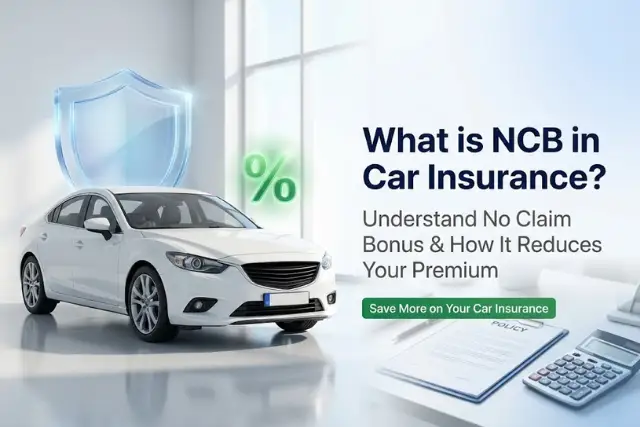
    What is NCB in car insurance? It’s a very popular question among car owners that comes up every year at renewal time, especially when reviewing key insurance renewal factors. NCB stands for No Claim Bonus in the insurance world. It is a reward you get from your insurer when you have not made any claims within the last year and renew your policy. 

    It is an inexpensive way to reward you for being a good driver and not having filed any, or many, claims over a longer period of time, ultimately giving you huge discounts off of your renewal costs.

    What Is NCB in Car Insurance and Why It Matters

    Understanding what is NCB in car insurance will help you to save money on your car insurance premium each year by reducing the number of claims that you make. Each year the NCB will increase as long as you do not make any claims during that year.

    Even better, NCB belongs to the policyholder—not the car. This means you can transfer your NCB when buying a new car or switching insurers, as long as you do it within the allowed time frame.

    NCB in Car Insurance Meaning Explained Simply

    The NCB in car insurance meaning refers to a percentage discount offered on the own-damage portion of your premium. It does not apply to third-party insurance but can still reduce your total premium substantially.

    You might be interested in learning about NCB in auto insurance. We have made an informative guide on this topic as well.

    NCB Percentage Structure

    Claim-Free Year NCB Discount
    1 Year 20%
    2 Years 25%
    3 Years 35%
    4 Years 45%
    5 Years 50%

    This table clearly shows why preserving your NCB is financially smart.

    NCB Means in Car Insurance: Key Benefits

    When people ask NCB means in car insurance, they’re usually trying to understand the real-world value.

    Here are the main advantages:

    • Lower renewal premiums
    • Encourages safer driving habits
    • Transferable between cars and insurers
    • Can reach up to 50% discount
    • Works as a long-term saving tool

    You can also explore NCB in bike insurance to understand how it works across different vehicles.

    How to Check NCB in Car Insurance

    Knowing how to check NCB in car insurance is easy and does not require complex steps.

    Ways to Check Your NCB

    • Look at your previous policy document
    • Check the renewal notice sent by your insurer
    • Log in to your insurer’s website or app
    • Contact customer support
    • Check your policy details on the Insurance Information Bureau (IIB) database

    Keeping track of your NCB helps avoid disputes during renewal or insurer changes.

    What Is NCB Protection in Car Insurance?

    What is NCB protection in car insurance is an add-on cover that allows you to retain your NCB even after making a claim. Normally, one claim can reset your NCB to zero—but this add-on prevents that, similar to how add-ons like return to invoice in car insurance enhance your overall policy coverage.

    NCB Protection in Car Insurance: When It Helps

    • Minor accidents or small repair claims
    • Expensive cars with high repair costs
    • Drivers with high accumulated NCB
    • Urban driving with higher accident risks

    What Is NCB Protector in Car Insurance and How It Works

    Many people confuse this term, but what is NCB protector in car insurance simply refers to the NCB protection add-on.

    Key Points to Know

    • Usually allows 1–2 claims per year without losing NCB
    • Available only after you earn some NCB
    • Costs extra but saves more in the long run
    • Does not cover third-party claims

    Should You Opt for NCB Protection?

    NCB protection in car insurance is not mandatory, but it makes sense if:

    • You already have a high NCB percentage
    • You live in accident-prone areas
    • You want premium stability year after year

    For new drivers, it may be better to build NCB first before opting for protection.

    Common Myths About NCB in Car Insurance

    Myth Reality
    NCB is linked to the car NCB belongs to the policyholder
    One claim always wipes NCB Not if you have NCB protection
    NCB applies to third-party cover Only valid on own-damage premium
    NCB cannot be transferred It can be transferred easily

    Conclusion

    So, what is NCB in car insurance. Having taken ample time to become familiar with NCB in terms of Car Insurance, it is obvious that NCB benefits policyholders who demonstrate no at-fault claims and are responsible with their policy. Assuming you are regularly checking your own NCB or have been able to contact your insurer to transfer your NCB, protecting your NCB or the other options available, and other money-saving options, all have the potential to save you a good sum of money in the long run.

    Frequently Asked Questions (FAQs)

    1. What is NCB in car insurance in simple words?

    NCB is a discount you earn for not making any insurance claims during a policy year.

    2. How to check NCB in car insurance online?

    You can check it through your insurer’s website, mobile app, or previous policy documents.

    3. Can NCB be transferred to a new car?

    Yes, NCB can be transferred when you buy a new car or switch insurers.

    4. What is NCB protection in car insurance?

    It is an add-on that protects your NCB even after making a claim.

    5. Is NCB protection worth buying?

    Yes, especially if you have a high NCB and want long-term premium savings.

  • How to Check Car Insurance Validity Online in India

    How to Check Car Insurance Validity Online in India

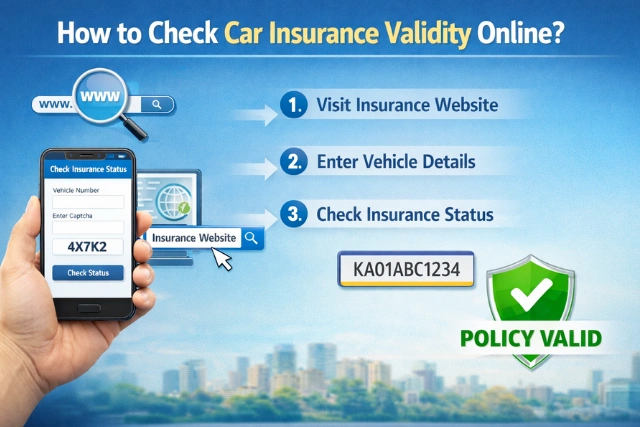
    All vehicle owners should be aware of how to check car insurance validity online. Driving without valid insurance in India is illegal and a lot of people receive tickets for not renewing their policy on time.

    With the advent of digital services, you can check car insurance validity online by simply entering your vehicle number to verify the status of your auto insurance policy online within 5 minutes or less. Verifying your own policy or checking the insurance status of a used vehicle is simple with an online policy verification system.

    Also, learn how to find insurance policy number by vehicle number. We have made an informative guide on this topic as well.

    How to Check Car Insurance Validity Online and Why It Is Important

    Checking car insurance validity check online at regular intervals gives you the benefit of stopping potential traffic violation fines as well as allows uninterrupted protection from any gaps in coverage, along with helping you understand benefits like what is NCB in car insurance.

    Legal Importance of Car Insurance in India

    According to the Motor Vehicle Act, 1988, each and every vehicle operating within India must carry third-party automobile insurance (as per official guidelines on the Parivahan Sewa portal). In the event that your automobile insurance expires, you risk incurring substantial monetary penalties or possible criminal charges from law enforcement authorities as a result.

    Thus, as an automobile owner within India, it is very important to understand how to verify the status of your automobile insurance policy online.

    Different Ways to Check Car Insurance Validity Online in India

    The VAHAN database provides an official way to online car insurance validity check using only the vehicle registration number through the VAHAN vehicle details portal.

    Checking Insurance Status Through the VAHAN Database

    The VAHAN system is operated by the government and allows users to access information about their vehicles,check car insurance validity online including information about the insurance status and names of the insurers, and the validity period of the insurance policy. 

    Therefore, using the VAHAN database is the most popular online method for car insurance validity check online in India.

    Using Insurance Company Websites for Policy Verification

    Most insurance providers allow their insured to verify their policy using the internet.

    To check car insurance validity online enter the following information:   

    1. Vehicle Number
    2. Policy Number
    3. Registered Mobile Number Once you have this information,

    You can check your policy’s validity through the internet.

    Online Car Insurance Validity Check via Mobile Applications

    Mobile applications will allow users to check on their insurance policy status every day online and know when they need to renew their insurance policy, and even download insurance copy by vehicle number for quick access.

    With a mobile application you can see: 

    • The validity of your insurance policy for any reason
    • Download copies of the actual documents  
    • Set reminders to renew your insurance policy when they are due.

    Mobile apps are ideal for frequent online car insurance validity check.

    Checking Insurance Details Through the IIB Portal

    The Insurance Information Bureau (IIB) is the organization that operates a national database of insurance policies.

    If you cannot find out who you are insured with, you check car insurance validity online in India via the IIB portal using the details of your vehicle.

    Information Displayed During Car Insurance Validity Check Online

    Detail Shown Description
    Insurance Status Active or expired
    Policy Expiry Date Insurance end date
    Insurance Provider Company name
    Policy Type Registration details
    Vehicle Number Registration details

    When Should You Perform an Online Car Insurance Validity Check?

    You should regularly check car insurance validity online in the following situations:

    • Before taking any long distance trips
    • After renewing your insurance policy
    • When purchasing a used car
    • During a traffic check/inspection
    • Performing a routine inspection of your vehicle allows you to prevent an unwanted

    Last minute event from occurring.

    Common Problems While Checking Car Insurance Validity Online

    Incorrect Policy Number:

    Even a small typo could lead to an inaccuracy in the results provided.

    Renewal Policy Information Is Not Updated:

    Some policies recently renewed may be updated on government portals after a delay.

    Expired Insurance Policies:

    Renew your expired insurance policy as soon as possible to prevent any penalties by following key considerations for your insurance renewal.

    Penalty for Driving Without Valid Car Insurance

    If you fail to do a car insurance validity check online and drive with an expired policy, penalties may include:

    • ₹2,000 fine for first offense
    • ₹4,000 fine for repeat offense
    • Possible legal action

    This makes online car insurance validity check extremely important.

    Online Validating a Car Insurance Policy is Very Important for the Following Reasons.

    You could be penalized if you fail to do an online policy validity check and then drive with an expired policy by receiving :

    • 2,000 Rupee fine for first time offense; 4,000 Rupee fine for repeat offense; as well as possible legal action.

    Smart Tips to Keep Your Insurance Active

    • Schedule reminders for renewal through calendars.
    • Set up SMS & Email alerts for renewal.
    • Save an electronic copy of your policy.
    • Do an online check of your car insurance to ensure it is in effect at least once each month.

    Conclusion

    Learning how to check car insurance validity online is active electronically should not be optional having access to a variety of different digital platforms makes doing so quick (in about 2 minutes if you ever have to do it) and saves you from costly fines and legal problems.

    It’s a good idea to make check car insurance validity online for your month-to-month insurance verification a regular routine so you can drive with sufficient insurance on your vehicle and without worrying that you may incur any parking fines or be subject to getting a ticket.

    Frequently Asked Questions (FAQs)

    1. How can I check car insurance validity online in India?

    You can use the VAHAN portal, insurer websites, mobile apps, or the IIB portal to check insurance status online.

    2. Can I check car insurance validity online using only my vehicle number?

    Yes, your vehicle registration number is enough for an online car insurance validity check.

    3. Is it safe to check car insurance validity online?

    Yes, government and insurer platforms provide secure and accurate information.

    4. How often should I do a car insurance validity check online?

    Checking once every month or before long trips is recommended.

    5. What if my car insurance validity has expired?

    Renew your policy immediately online to restore coverage and avoid legal penalties.

  • What is Return to Invoice in Car Insurance? Complete Meaning, Benefits & Examples

    What is Return to Invoice in Car Insurance? Complete Meaning, Benefits & Examples

    Buying a new car is a major financial decision, and protecting that investment is just as important. If you are wondering what is Return to Invoice in car insurance, it is a valuable add-on cover that ensures you receive the original invoice value of your car if it is stolen or declared a total loss.

    Before choosing add-ons like RTI, it’s important to ensure your policy is always active. You can follow this guide on how to check car insurance validity online in India to verify your coverage anytime.

    Normally, car insurance companies settle claims based on the Insured Declared Value (IDV), which reduces every year due to depreciation. However, RTI in car insurance bridges this gap by compensating you for the full invoice amount, including road tax and registration charges.

    You should also understand how NCB in Car Insurance helps you save on premiums over time.

    What is Return to Invoice in Car Insurance? Meaning Explained

    So, what is Return to Invoice in car insurance mean in simple words?

    Return to Invoice (RTI) means that instead of paying the depreciated market value of your car, the insurer reimburses you the exact price mentioned on your original purchase invoice.

    Example:

    • Car invoice value: ₹12 lakh
    • Current IDV after depreciation: ₹9 lakh

    Without RTI, you receive only ₹9 lakh.

    With RTI in car insurance, you receive the full ₹12 lakh, helping you replace your car without financial loss. In such situations, it becomes equally important to ensure your insurance policy is valid and active. 

    RTI Full Form in Car Insurance

    The RTI full form in car insurance is Return to Invoice.

    It is an optional add-on available with comprehensive car insurance policies in India and is especially popular among new car owners.

    RTI in Car Insurance: With vs Without Cover

    Scenario Without RTI Cover With RTI Cover
    Car Invoice Value ₹12,00,000 ₹12,00,000
    Insured Declared Value (IDV) ₹9,00,000 ₹12,00,000
    Claim Payout (Total Loss) ₹9,00,000 12,00,000
    Registration & Road Tax

    This clearly shows what RTI in car insurance means in real financial terms.

    How Does RTI in Car Insurance Work?

    The moment a car leaves the showroom, depreciation starts. In case of theft or a severe accident, a standard policy pays only the depreciated value.

    However, when you add Return to Invoice in car insurance, the insurer:

    • Calculates the current IDV
    • Pays the difference between IDV and invoice value
    • Includes road tax and registration charges

    This ensures you are not out of pocket due to depreciation.

    In some cases, claim settlements may involve third-party administrators. You can learn more about the role of TPA in Insurance.

    You can opt for RTI:

    • While buying a new policy
    • During policy renewal

    Benefits of RTI in Car Insurance

    Choosing RTI in car insurance offers strong financial protection. Here are the key benefits:

    • Full Invoice Reimbursement – Get paid based on the original purchase value
    • Covers Registration & Road Tax – No loss on statutory charges
    • Ideal for New Cars – Best suited for cars up to 3–5 years old
    • Protects Against Depreciation – Shields you from steep value drops
    • Peace of Mind – Makes car replacement easier after a total loss

    Return to Invoice Meaning in Car Insurance (Simplified)

    The return to invoice meaning in car insurance is simple:

    It restores your financial position to what it was on the day you bought your car.

    This add-on applies only when:

    • The car is stolen and not recovered
    • The insurer declares it a total loss
    • The car is usually less than 3–5 years old

    It does not apply to minor or repairable damages.

    When Should You Opt for RTI Cover?

    You should strongly consider RTI if:

    • You own a new or premium car
    • You live in a high-theft or accident-prone area
    • Your car is financed or leased
    • You want maximum financial security

    Example:

    If your one-year-old car cost ₹10 lakh and its IDV drops to ₹8 lakh:

    • Without RTI → payout ₹8 lakh
    • With RTI → payout ₹10 lakh (including tax & registration)

    This perfectly explains RTI in car insurance, meaning for Indian car owners.

    How to Add RTI in Car Insurance Policy

    Adding RTI in car insurance is simple:

    1. Choose a comprehensive car insurance policy
    2. Select Return to Invoice as an add-on
    3. Confirm eligibility (age & invoice availability)
    4. Pay a slightly higher premium

    You can also verify add-on guidelines on the official site of the Insurance Regulatory and Development Authority of India.

    Conclusion:

    Understanding what is Return to Invoice in car insurance can help you avoid major financial setbacks. For a small premium increase, RTI ensures you recover your car’s complete value, even after depreciation.

    If you want stress-free ownership and full protection for your investment, RTI in car insurance is one of the smartest add-ons you can choose in India.

    Frequently Asked Questions (FAQs)

    1. What is RTI in car insurance?

    RTI (Return to Invoice) is an add-on that pays your car’s original invoice value instead of the depreciated IDV in case of total loss or theft.

    2. Is RTI cover really necessary?

    Yes, especially for new cars, as it protects you from heavy depreciation losses.

    3. Can I get RTI for an old car?

    Most insurers offer RTI only for cars up to 3–5 years old.

    4. Does RTI cover partial damages?

    No. RTI applies only in total loss or theft cases.

    5. Does RTI include accessories?

    Factory-fitted accessories are usually covered; aftermarket accessories may need separate coverage.

    6. Is the process of checking insurance similar for bikes?

    Yes, the process is quite similar. You can refer to this guide on how to check bike insurance validity for step-by-step instructions.

  • About Future Generali Car Insurance: Features, Renewal & Claim Settlement

    About Future Generali Car Insurance: Features, Renewal & Claim Settlement

    Future Generali Car Insurance is a product of Future Generali India Insurance Company Limited, a joint venture between the Future Group of India and the Generali Group of Italy. The company has earned a solid reputation for providing comprehensive and affordable motor insurance solutions.

    Its car insurance plans are designed to protect you financially against losses caused by accidents, theft, natural disasters, or third-party damages. The policy also offers add-on covers like zero depreciation, engine protection, and roadside assistance, making it highly flexible for every type of car owner. You can also compare similar options by reading 5 best bike insurance companies.

    Key Features of Future Generali Car Insurance

    Here are some of the most attractive features of this plan:

    1. Comprehensive Protection: Covers your car against damage due to accidents, fire, floods, or theft.
    2. Third-Party Liability Cover: Protects you from legal and financial liabilities if your car damages someone else’s vehicle or property.
    3. Cashless Garage Network: Access to over 3,500 cashless garages across India for hassle-free repairs.
    4. No Claim Bonus (NCB): Earn rewards for safe driving by getting discounts on renewals for claim-free years.
    5. Instant Policy Issuance: Get your insurance policy online within minutes. Understanding what is NCB in car insurance can also help you save more on premiums.

    These features make Future Generali Car Insurance a dependable choice for all car owners looking for convenience and reliability. You can learn here about Future Generali Life Insurance as well.

    Future Generali Car Insurance Renewal

    Timely renewal of your insurance policy ensures that your car remains protected without any break in coverage. The Future generali car insurance renewal process is quick and can be done online in just a few minutes.

    Here’s process of Future generali car insurance renewal:

    1. Visit the official Future Generali India Insurance website.
    2. Go to the “Renew Policy ” section.
    3. Enter your policy number and registered mobile number or vehicle registration details.
    4. Review your existing plan and choose to renew with or without changes.
    5. Make a secure online payment.

    Once payment is made, the renewed policy document is instantly sent to your email. Keeping your policy active ensures continuous benefits and helps retain your No Claim Bonus. You can also explore key considerations for your insurance renewal to avoid common mistakes.

    Future Generali Car Insurance Policy Download

    Lost your policy document or want a digital copy? You can easily get it using the Future Generali Car Insurance Policy Download option online.

    Follow these simple steps to download Future generali car insurance policy:

    • Visit the official Future Generali portal.
    • Click on “Download Policy” or “Policy Copy.”
    • Enter your registered mobile number, policy number, or email ID.
    • The digital copy will be available for download or sent to your email.

    Having a digital copy ensures you can show proof of insurance anytime, anywhere, especially during traffic checks or emergencies. If needed, you can also learn download insurance copy by vehicle number for quick access.

    Future Generali Car Insurance Review

    When comparing car insurance providers, customer reviews play an important role. According to user feedback, Future Generali Car Insurance Review is largely positive.

    What customers like:

    • Fast and transparent claim process
    • Helpful customer service team
    • Wide range of garages and easy cashless repairs
    • Simple online renewal and purchase process

    Many policyholders appreciate the company’s fair claim settlement and smooth digital services. Overall, Future Generali Car Insurance has built strong trust among Indian drivers.

    Claim Process and Settlement Ratio

    A key factor that reflects an insurer’s reliability is its claim settlement ratio (CSR). The Future Generali Car Insurance Claim Settlement Ratio is among the better ones in the industry ~94%, showing that most claims are settled quickly and fairly.

    Here’s how to file a claim:

    1. Inform the company about the accident or loss immediately through their helpline or website.
    2. A surveyor will assess the vehicle damage.
    3. Submit required documents like RC, policy copy, driving license, and repair bills.
    4. Once approved, the insurer pays the garage directly (for cashless claims) or reimburses you later.

    Future generali car insurance claim settlement ratio makes a preferred choice for thousands of customers. You can also understand the full insurance claim process to ensure faster approvals.

    Future Generali Car Insurance Customer Care

    Good customer service is vital when you need assistance during emergencies or have policy-related queries.

    You can reach Future Generali Car Insurance Customer Care easily through:

    • Toll-Free Number: 1800-220-233 / 1860-500-3333
    • Email ID: care@futuregenerali.in
    • Website: www.futuregenerali.in

    Their support team is known for being responsive and helpful, guiding you through renewals, claims, and other policy concerns. For vehicle-related digital services, refer to Ministry of Road Transport and Highways.

    Why Choose Future Generali Car Insurance?

    There are plenty of insurance options available in India, but here’s why Future Generali Car Insurance stands out:

    • Affordable premiums with great coverage options
    • Fast claim approval and minimal paperwork
    • Large network of garages for cashless repair service
    • Easy policy management via the website and mobile app
    • Transparent services and positive customer reviews

    Whether you’re insuring a new car or renewing your old one, Future Generali makes the process simple and stress-free.

    Conclusion

    Future Generali Car Insurance is a reliable, customer-friendly choice for Indian car owners. With quick renewals, strong claim support, and a broad cashless network, it ensures that you’re protected every time you hit the road.

    Whether you’re buying a new policy or renewing an existing one, choosing Future Generali means driving with confidence and peace of mind.

    Frequently Asked Questions (FAQ’s)

    1. How can I renew my Future Generali car insurance online?

    You can renew it through the official website by entering your policy details, reviewing coverage, and making the payment online.

    2. How do I download my Future Generali car insurance policy?

    Visit the Future Generali website, select “Download Policy,” and enter your registered details to get the digital copy.

    3. What is the future generali car insurance claim settlement ratio?

    The company maintains a healthy claim settlement ratio ~94%, which shows its commitment to fair and timely settlements.

    4. How can I contact Future Generali customer care?

    You can contact them via toll-free numbers 1800-220-233 or 1860-500-3333 or email them at care@futuregenerali.in.

    5. What documents are needed for a car insurance claim?

    You’ll need your insurance policy, RC book, driving license, repair bills, and FIR (if applicable).

  • How to Get Car Insurance Quote Without Personal Information – Safe & Easy Guide

    How to Get Car Insurance Quote Without Personal Information – Safe & Easy Guide

    When you search for car insurance online, most websites ask for your personal details before showing any results. But sharing your name, phone number, or email on multiple platforms can lead to unwanted consequences—like endless sales calls, spam emails, and concerns about how your data is being used or shared.

    That’s why more people today are choosing smarter, privacy-focused methods to get a car insurance quote without personal information. It allows you to compare prices, explore coverage options, and make informed decisions—without compromising your privacy or dealing with unnecessary hassle. In fact, many users also explore options like getting an insurance quote without a VIN to maintain even greater privacy during initial comparisons.

    Can You Get a Car Insurance Quote Without Personal Information?

    You can get a car insurance quote without personal information by using anonymous quote tools or insurer websites that allow basic inputs like car model, location, and coverage type without requiring your name, phone number, or email. These tools provide estimated premiums so you can compare options privately before sharing sensitive details. While final quotes require personal information for accuracy, starting with no-personal-data quotes helps you avoid spam calls, protect your privacy, and make better decisions.

    Quick Answer: Yes, you can get estimated car insurance quotes without sharing personal information using anonymous tools, but final pricing requires full details.

    To understand this better, let’s look at how these tools actually work. Many websites now offer “estimate tools” where you can enter only general details, like:

    • Your car’s make, model, and year
    • The type of coverage you want (liability, full coverage, etc.)
    • Your age range and location (without entering your name or phone number)

    This helps you get a ballpark estimate before deciding whether to continue with a full application.

    How to Get Car Insurance Quotes Without Personal Information

    Here’s a step-by-step guide on how to get car insurance quotes without personal information safely and easily:

    1. Use Anonymous Quote Tools
    2. Visit Official Insurance Company Websites
    3. Use Browser Privacy Settings
    4. Skip Optional Fields
    5. Try Independent Comparison Platforms

    1. Use Anonymous Quote Tools: Some insurance comparison websites allow users to get rough estimates without signing up. These tools often ask only for non-personal information like your ZIP code, car details, and driving record.

    2. Visit Official Insurance Company Websites: Major companies like GEICO, Progressive, or State Farm often let you use “quick quote” tools. You can test their calculators with minimal input and skip entering your contact information until you’re ready to buy.

    3. Use Browser Privacy Settings: Always use “incognito” or “private browsing” mode when searching for quotes. This prevents tracking cookies from saving your activity or storing your information.

    4. Skip Optional Fields: If you see forms with optional fields for phone numbers or email addresses, leave them blank. Many sites will still show estimates without needing this data.

    5. Try Independent Comparison Platforms: Some independent platforms specialize in privacy-focused insurance comparisons. They don’t sell your data or force you to register, making it easy to view price ranges safely. 

    In case of misuse of personal data, you can report issues through the National Cyber Crime Portal.

    What Information You’ll Still Need to Share

    To get an accurate quote, you’ll eventually need to provide some non-sensitive details, such as:

    • Your car’s make, model, and year (to determine insurance cost)
    • ZIP code or city (to calculate regional risk)
    • Driving record (accidents, tickets, etc.)
    • Coverage preference (basic, comprehensive, or full coverage)
    • You don’t have to share your name, phone number, or address just to view general rates. But if you decide to purchase or finalize a quote, your insurer will need this information.

    Why Privacy Matters When Getting Quotes

    Sharing personal details online has become risky. Some websites use your data for marketing or pass it to partner companies without your full consent. When you look for car insurance quotes without giving personal information, you protect yourself from:

    • Identity theft and data leaks
    • Persistent telemarketing calls
    • Spam emails from unrelated businesses

    Protecting your privacy doesn’t mean you can’t get a good deal, it just means being smart about where and how you request quotes. Being aware of insurance fraud and avoiding scams can also help you stay protected while searching for quotes online and ensure your personal data is not misused.

    With increasing data breaches and online tracking, using privacy-focused insurance tools has become more important than ever.

    Benefits of Getting Car Insurance Quotes Without Personal Information

    Here are some key advantages of taking the privacy-first route:

    • No spam: You won’t receive unwanted calls or messages.
    • Faster comparisons: Quick access to estimated rates.
    • More control: You decide when and where to share your info.
    • Peace of mind: Your data stays private and secure.

    It’s the best way to explore insurance options at your own pace. 

    Tips for Safe Online Car Insurance Shopping

    Always verify that the platform is legitimate before entering any sensitive information. It is equally important to understand how to check car insurance validity online to ensure your policy remains active and reliable.

    1. Use trusted websites only – Stick to well-known insurers or verified comparison tools.
    2. Check for HTTPS – Make sure the website is secure before entering any details.
    3. Avoid third-party pop-ups – Never click on “too good to be true” deals.
    4. Read privacy policies – Always check how a website handles your data.
    5. Start with a sample quote – Use basic, non-personal info to get initial pricing.

    When You’ll Need to Share Personal Information

    Eventually, if you want to buy a policy or get a finalized rate, you’ll have to provide personal information like your name, address, and driver’s license number. This is standard for verifying your identity and calculating the exact premium.

    However, by first using car insurance quotes without personal information, you can narrow down your options before sharing any private data.

    Conclusion

    Getting a car insurance quote without personal information is a smart way to start comparing rates safely. It helps you protect your privacy, avoid spam, and make informed choices without pressure, and later check your car insurance validity online to ensure continuous coverage.

    While full accuracy requires personal data later in the process, anonymous quote tools are great for early research. Whether you’re switching insurers or buying a new car, use privacy-friendly methods to save money and stay secure. You can also explore affordable car, bike, and health insurance options online to find the best deals without compromising your privacy.

    Remember, being informed and cautious is the key to finding affordable, reliable car insurance that fits your needs.

    Frequently Asked Questions (FAQ’s)

    1. Can I really get a car insurance quote without giving personal information?

    Yes, many online tools now let you get car insurance quotes without giving personal information. 

    2. How accurate are car insurance quotes without personal information?

    These quotes give you an estimate, not an exact rate. Once you share more personal and driving details, the final price might change slightly based on your profile.

    3. Why do some sites ask for my name and phone number?

    Some insurance websites use your contact info to connect you with agents or verify your details. If you prefer privacy, choose comparison tools that don’t require registration or personal data.

    4. How to get car insurance quotes without giving personal information safely?

    Use trusted company websites, privacy-focused comparison sites, or anonymous quote tools. Always browse in incognito mode and skip optional fields like phone and email.

    5. Are privacy-based quote tools free to use?

    Yes, most tools that let you get car insurance quotes without sharing personal details are completely free.

    6. Is it safe to use anonymous car insurance quote tools?

    Yes, as long as you use trusted and secure websites. Always check for HTTPS and avoid unknown platforms.

  • Car Insurance Quotes for International License – A Simple Guide

    Car Insurance Quotes for International License – A Simple Guide

    If you’re driving abroad or just moved to a new country, one of the first things you’ll need is car insurance. But here’s the catch — finding car insurance quotes for international license holders isn’t always straightforward. Coverage, prices, and requirements can vary widely depending on what country you are driving in.

    This article will give you all of the information you need to get car insurance with either an international or foreign driving license, including what documents you will need to provide and the best way to get quotes, similar to how users compare bike insurance rates online before choosing a policy.

    What Does “Car Insurance Quotes for International License” Mean?

    When we talk about car insurance quotes for international license, What we’re discussing are insurance plans for individuals with a driver’s license from one country and who are going to be driving in another country. 

    Insurance companies may treat foreign license holders in a unique way, as the new country’s insurance provider won’t have access to that individual’s previous driving history. That is why it’s important to explore accurate and fair quotes prior to operating a vehicle.

    You might be wondering whether you can get an insurance quote without a VIN, especially when applying as an international driver.

    Why It’s Harder for International License Holders

    Getting car insurance as an international license holder can be more challenging due to several factors:

    • Limited local driving history – Often insurers have no way to verify your driving records in ‘your’ home country.
    • Extra paperwork – You may need to show your home license, International Driving Permit (IDP), and translated copies.
    • Temporary residency – Some insurers only offer coverage for permanent residents.
    • Higher perceived risk – Since they have no data to confirm your driving experience, insurers will assume you are a new driver and charge based on that. 

    That being said, larger companies, like State Farm and Liberty Mutual, do offer coverage for international drivers under certain situations. 

    How to Get Car Insurance Quotes for International License

    Here is a step-by-step delineation to aid in making this easier: 

    1. Collect the Materials You Will Need 

    You will most likely need: 

    • A valid driver’s licence from country of residence
    • An International Driving Permit (IDP)
    • A Government-issued identification, like a passport or visa
    • Proof of residence (if applicable) 

    2. Search for Insurance Providers That Cover Foreign Licenses 

    Several companies specialize in international drivers’ coverage in the U.S., which you can reach out to for coverage—even to get quotes on your own—while other insurance brokers might sell international coverage too. Additionally, MoneyGeek recently published a list of American insurance providers that will accept an international driving permit. 

    3. Get More Than One Estimate/Comparison Quote 

    Don’t just go with the first estimate you get, especially when exploring options like getting a car insurance quote without personal information for better flexibility. Companies assess our risk differently – even a small difference between quotes can save you hundreds of dollars.

    4. Ask Questions about Coverage Types 

    You are typically required to buy liability coverage, and collision and comprehensive coverage, and certainly any coverage that your local government laws dictate.

    5. Be Aware of Additional Charges 

    Several companies place a low “foreign licence” charge if you exhibit background data usage within your account by the 3rd month. After you obtain a local licence, you can often remove the foreign licence charge. 

    6. Contact Your Insurance Provider About Getting a Local Licence

    Switching to a local license gives you an opportunity to retrieve money back and usually helps to keep your premium lower when you renew it. 

    Useful Tips for International License Holders:

    If this is your first time driving internationally, here is the Tips for International License Holders:

    • A driver providing accommodation will always want you to disclose your licence type,
    • if you have an international driving permit, to use that information too (note that an IDP does not give you a licence).
    • You can inquire whether your driving experience abroad could also be recorded.
    • It is usually advisable to find a broker who works specifically with expats or short term drivers insurance.
    • If you are crossing borders (like in Europe), check if :you insurance coverage is international or have a Green Card certificate.
    • In all cases have your licence, IDP, passport and proof of insurance when driving.

    Why Comparing Quotes Is Worth It

    Insurance prices for car insurance quotes for international license holders can vary more than you think. One insurer may see you as a first-time driver, and charge you higher premiums, while another insurer may consider your experience from driving abroad instead. 

    If you collect and compare at least 3-5 different quotes, you will know what is fair, and may even find a better coverage option that may fit your need and budget.

    Once you purchase a policy, it’s also important to know how to check your car insurance validity online to ensure continuous coverage.

    Conclusion

    Getting car insurance quotes for international license holders doesn’t have to be complicated. Make sure you have the right paperwork, do your homework and you understand what each plan covers before you sign on the dotted line. 

    With some due diligence and the buy-in from the right company, you can travel freely anywhere you want without worry.

    Frequently Asked Questions (FAQ’s)

    1. Am I able to obtain coverage for my car if I only possess an international driver’s license? 

    Yes, many insurance carriers will allow you to get insurance with either your license back home or an IDP.  Liberty Mutual and State Farm are two insurance providers that allow for this.   

    2. Will they take my driving history from my foreign driver’s license into account? 

    Not all the time. Some insurance companies will not provide a verifiable foreign driving history. Therefore, they will categorize you as a new driver. 

    3. Are my rates increased since they classify me as an international driver? 

    Typically, yes, at least initially.  Your rates could drop, after being insured in the U.S. or obtaining a local driver’s license. 

    4. What happens when I have a local driving license? 

    Call your insurance provider and let them know.  This will allow you to be eligible to obtain a lower insurance rate. 

    5. Will my insurance apply in foreign countries? 

    If you are traveling to a specific part of Europe, or some other places, some insurance companies may allow you to have cross border insurance. Always check with your insurance company before leaving.