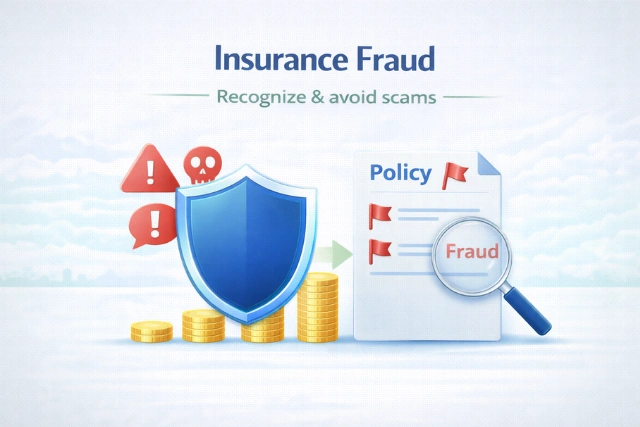
Insurance fraud happens when a person or organization intentionally deceives an insurance company for financial gain. It can include fake accident claims, false medical bills, staged thefts, or fake insurance policies. Insurance fraud affects millions of policyholders every year by increasing premiums and causing financial losses to insurers.
From health insurance fraud and medical insurance scams to fake motor accident claims, insurance frauds in India are becoming increasingly sophisticated. Understanding the types of insurance frauds, warning signs, and prevention methods can help consumers protect themselves from financial scams and identity theft. Understanding how insurance claims work can also help customers identify suspicious activities and avoid fraudulent claim practices.
In this guide, we will explain what insurance fraud is, the different types of insurance frauds, real-world examples, warning signs, fraud detection methods, and practical tips to protect yourself from insurance scams.
What is Insurance Fraud?
Insurance fraud is the intentional act of deceiving an insurance company to receive unauthorized financial benefits. It may involve fake claims, staged accidents, false medical expenses, fake policies, or exaggerated damages. Insurance fraud can occur in health, life, motor, travel, and property insurance sectors.
Why Insurance Fraud Is Increasing
Insurance fraud is increasing because of the rapid growth of digital insurance services, online payments, and rising healthcare costs. Fraudsters now use fake apps, phishing links, OTP scams, and fake policy offers to target customers.
Rise of Digital Insurance Services
Online insurance platforms and mobile apps have made policy purchases easier, but scammers also use fake websites and payment links to steal money and customer information.
Increasing Healthcare Costs
Higher medical expenses have increased health insurance fraud cases involving fake hospitalization claims, forged bills, and unnecessary treatments.
Data Breaches and Identity Theft
Fraudsters misuse leaked customer data, Aadhaar numbers, PAN details, and banking information to commit insurance fraud and financial scams.
Lack of Consumer Awareness
Many customers still fall victim to fake agents, urgent payment requests, and phishing scams because they are unaware of common fraud tactics.
Most Common Types of Insurance Frauds
| Fraud Type | Common Example | Warning Sign | Possible Risk |
|---|---|---|---|
| Health Insurance Fraud | Fake hospitalization claims | Unusual medical charges | Claim rejection |
| Motor Insurance Fraud | Staged accidents | Suspicious witnesses | Financial loss |
| Fake Policy Scam | Fake renewal calls | Payment to personal account | Data theft |
| Identity Theft Fraud | KYC scams | OTP requests | Identity misuse |
Health Insurance Fraud
Health insurance fraud involves fake hospitalization claims, forged medical bills, unnecessary treatments, or inflated healthcare expenses to obtain insurance payouts illegally. Learning about health insurance benefits and coverage rules can help customers avoid suspicious medical claims.
Motor Insurance Fraud
Motor insurance fraud includes staged accidents, fake theft claims, and exaggerated vehicle repair costs submitted to insurance companies for financial gain.
Life Insurance Fraud
Life insurance fraud occurs when false information, fake documents, or fraudulent claims are used to receive unauthorized insurance benefits.
Fake Insurance Policy Scams
Fraudsters may pretend to be insurance agents and offer fake policy renewals, discounts, or investment plans to steal customer money.
Identity Theft & Digital Insurance Fraud
Fraudsters use stolen Aadhaar numbers, PAN details, OTPs, or phishing links to create fake insurance claims and commit financial fraud.
Examples of Insurance Frauds
Fake car accident for claim money - Fraudsters intentionally create fake accidents and submit false insurance claims for vehicle damage or injuries.
Staged Car Accident - Fraudsters intentionally create fake accidents and submit false insurance claims for vehicle damage or injuries.
Fake Medical Bills - Some scammers submit forged hospital bills or fake treatment records to receive insurance payouts.
Fake Insurance Agent - Fraudsters pretend to be insurance agents and collect premium payments through fake websites or personal accounts.
Property Damage Fraud - Individuals may exaggerate property damage after accidents or natural disasters to increase claim amounts.
Identity Theft Fraud - Scammers misuse Aadhaar or PAN details to create fake policies or file fraudulent insurance claims.
Insurance Frauds in India
Insurance frauds in India are increasing through fake policy renewal calls, phishing links, UPI scams, and fake insurance apps. Fraudsters may also misuse KYC updates and fake investment-linked insurance plans to target customers.
Fake Insurance Calls
Scammers may contact customers pretending to be insurance agents or company officials and offer fake policy renewals, bonus benefits, or claim settlements.
IRDAI Warnings
The Insurance Regulatory and Development Authority of India regularly warns customers against fake insurance agents, phishing scams, and unauthorized policy offers.
Fake Policy Renewals
Fraudsters often send fake renewal messages or emails asking customers to transfer premium payments to personal bank accounts or suspicious payment links.
UPI Scams
Many scammers use fake UPI payment requests or QR codes to steal money during insurance premium payments or policy renewals. Customers should also follow cyber fraud prevention tips shared by banking and financial authorities before making digital payments.
KYC Fraud
Fraudsters may ask customers to update KYC details through fake links or calls to steal Aadhaar numbers, PAN details, OTPs, and banking information.
Hospital Scams
Some health insurance fraud cases involve fake hospitalization claims, forged medical bills, or inflated treatment costs submitted for insurance payouts.
Fake Investment-Linked Insurance Plans
Scammers may promote fake insurance investment plans that promise unrealistic returns, guaranteed profits, or special bonus schemes to attract victims.
The Insurance Regulatory and Development Authority of India regularly warns consumers against fake agents, fraudulent policy offers, and phishing scams targeting insurance customers.
Warning Signs of Insurance Fraud
- Unverified Insurance Agents - Always verify the identity and license of insurance agents before making payments.
- Pressure for Immediate Payment - Scammers often create urgency to force customers into quick payments.
- Requests for OTP or Bank Details - Never share OTPs, passwords, or banking details with unknown individuals.
- Unrealistic Policy Benefits - Offers with guaranteed returns or extremely low premiums may be fraudulent. Comparing insurance plans carefully can help customers identify suspicious policy offers.
- Missing Policy Documents - Failure to provide official policy documents or receipts may indicate a scam.
How Insurance Fraud Detection Works
Insurance companies use AI tools, claim verification systems, document checks, and fraud investigation teams to identify suspicious insurance claims.
- AI-Based Fraud Detection - Artificial intelligence helps insurers detect unusual claim patterns and suspicious activities.
- Claim Verification - Insurance companies verify documents, medical bills, and repair estimates before approving claims.
- Hospital Audits - Insurers may review hospital records to detect fake medical claims or inflated treatment costs.
- Identity Verification - Biometric checks and digital verification systems help prevent identity theft fraud.
What To Do If You Suspect Insurance Fraud
- Stop Payments Immediately - Avoid making further payments until the issue is verified.
- Contact the Insurance Company - Verify suspicious calls, emails, or payment requests with official customer support.
- Report Fraud to Authorities - Report scams to cybercrime authorities or insurance regulators if necessary.
- Keep Evidence and Records - Save emails, receipts, screenshots, and communication records related to the fraud.
- Monitor Financial Accounts - Regularly check bank accounts and insurance records for unauthorized activity.
Conclusion
Insurance fraud can lead to financial losses, identity theft, and higher insurance premiums for honest customers. From fake policies and staged accidents to medical insurance scams, fraudsters use many tactics to deceive consumers.
Customers should always verify insurance providers, avoid sharing sensitive information, and review policy documents carefully to stay protected from insurance fraud and scams. Understanding common insurance terms and policy conditions can also help customers make safer financial decisions.
Frequently Asked Questions (FAQs)
What are the most common types of insurance frauds?
Common insurance frauds include health insurance fraud, motor insurance fraud, fake policy scams, and identity theft fraud.
How can I identify fake insurance agents?
Fake agents may use personal accounts, unofficial contact details, and urgent payment requests.
Is health insurance fraud common in India?
Yes, health insurance fraud in India includes fake medical bills, unnecessary treatments, and false hospitalization claims.
How does insurance fraud detection work?
Insurance companies use AI systems, document verification, and investigations to detect fraudulent claims.
What should I do if I suspect insurance fraud?
Stop payments, contact the insurer, save records, and report suspicious activity immediately.
Can hospitals commit medical insurance fraud?
Yes, some fraud cases involve fake bills, inflated treatment costs, or unnecessary medical procedures.
Reviewed by Insurance Research Team
This article was reviewed for accuracy using publicly available insurance fraud awareness resources, consumer protection guidance, and industry information available at the time of writing.